

Valencia has been selected from among 112 applicants to develop an innovative, sustainable tourism model that can be replicated in other European cities through the Zentropy MICE project. This initiative has a budget of €5.2 million, 80% of which is financed by the European Union through the European Regional Development Fund (ERDF).
Valencia leads the future of events through the Zentropy MICE project
According to data from the International Congress and Convention Association and the Valencia Convention Bureau, in 2024 Valencia hosted 510,618 attendees at MICE events, making it the third Spanish city in congress and convention tourism —behind Madrid and Barcelona—, in a ranking where Spain is in second place worldwide.
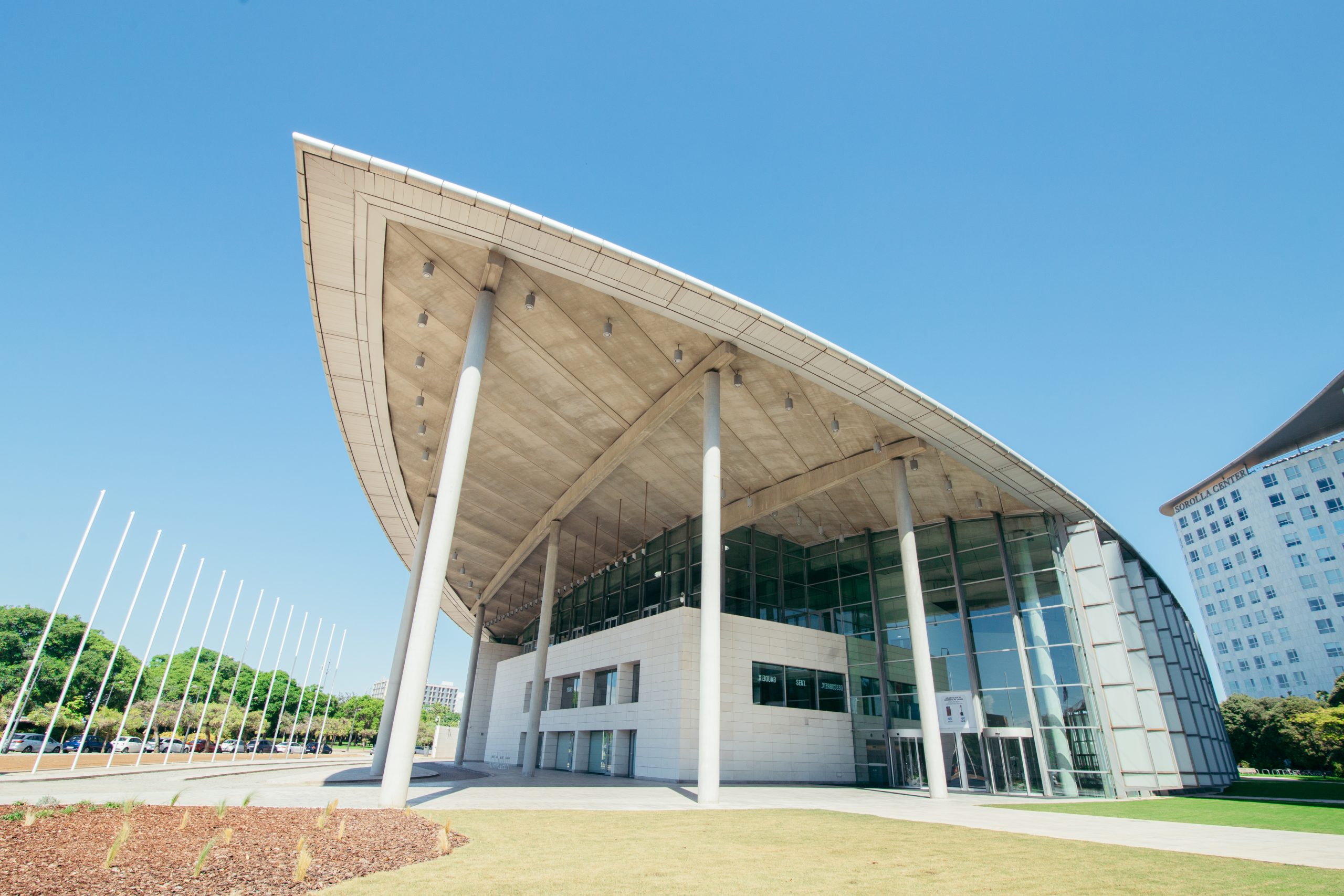
The Valencia Conference Centre hosts 27% of the MICE (Meetings, Incentives, Conferences and Exhibitions) events held in the city, welcoming over 100,000 visitors in 2024 and generating more than six million euros in revenue. That same year, over one hundred MICE events took place.
The externalities of MICE tourism not only yield positive figures, but also have consequences for the ecological impact, the pressure on urban infrastructure and ecosystems, and the daily lives of citizens. In fact, MICE tourism — Meetings, Incentives, Conferences, and Exhibitions — spends three to four times more than leisure tourism, encourages longer stays, and offers greater purchasing power and more stable employment, but it also demands significant city resources.
Concept of urban entropy
In the tourism sector, it’s not common to talk about physics and the exchange of flows. However, the Second Law of Thermodynamics offers a powerful tool for rethinking the circularity and integration of MICE events: entropy.
A disruptive proposal that applies the concept of urban entropy to congress tourism, through which the flows of energy, matter and information between the MICE ecosystem and the local community are organized to create a ‘zero entropy’ system, where the external impacts of events are absorbed or counteracted by the city’s sustainable infrastructure.
Zentropy MICE is structured through nine action programs, implemented in the pilot center of the Valencia Conference Centre, taken as the central hub from which a circular model of return flows is dispersed and organized.
These nine implementation programs are structured around the following pillars: sustainable mobility, energy efficiency, circular management, nature-based solutions, connecting conferences with the business community, shared knowledge, social and tourism impact, and legacy. The aim is to create a responsible and connected tourism model that reduces environmental impact, generates lasting benefits, and provides real value to the municipality, its residents, and its social ecosystem.
In this way, the Valencia Conference Centre becomes a living laboratory, a pioneer in urban innovation, set to redefine the traditional MICE tourism model and enable the creation of a new conference approach that minimizes environmental impact while maximizing economic, social, and cultural benefits for both Valencia and its citizens.
Institutional collaboration
The Zentropy MICE project is made possible by a strong alliance between institutions, innovation centers, and universities. This public-private collaboration, led and driven by the Department of Tourism and Innovation of the Valencia City Council, with the support of Valencia Innovation Capital, the Valencia Conference Centre, the Visit Valencia Foundation, the Polytechnic University of Valencia, and the urban innovation studio Khora Urban Thinkers, will define a sustainable conference tourism model that will leave a positive legacy for citizens and transform conference tourism into a driver of positive change for the city.
For three and a half years, until May 2028, Valencia will demonstrate that it can be a benchmark in sustainable tourism, urban innovation and legacy creation.
To achieve this goal of developing a model to build a more inclusive, circular and sustainable city, the Zentropy MICE project has a budget of 5.2 million euros, financed 80% by the EU through the ERDF.
The project has the backing of the European Union, as it forms part of the European Urban Initiative, an ambitious European urban innovation program that has selected Valencia to lead this transformation.
It’s an innovative, sustainable tourism model that can be replicated in other European cities, with Ljubljana, Heidelberg, and Larissa as learning and transfer partners.